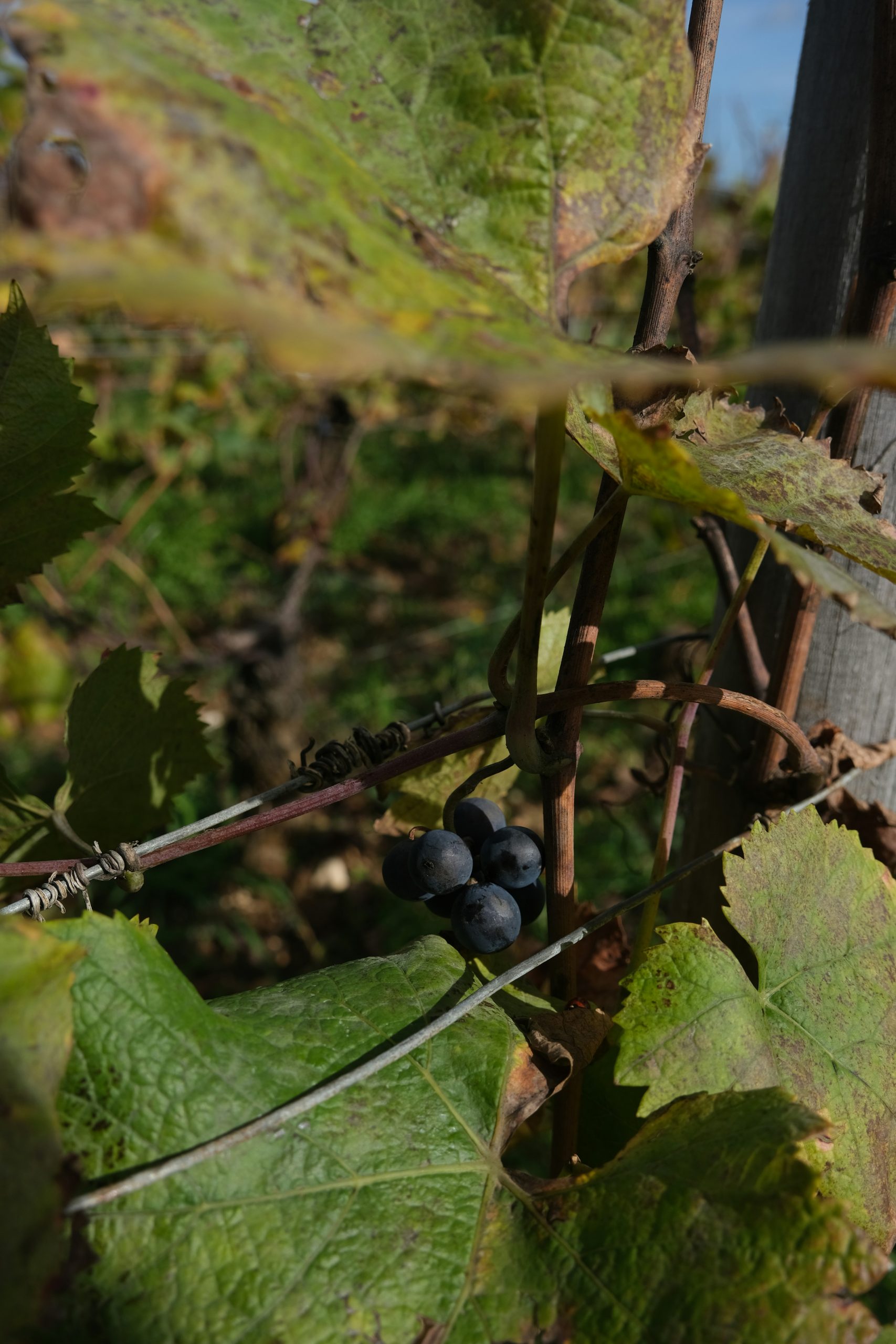

Burgundy’s natural assets are an integral part of its reputation as a leading wine-growing region. The region’s geology is particularly important, with a complex tapestry of soils contributing to the unique characteristics of its wines. The predominant soil types are limestone, marl and clay, each imparting distinct qualities to the grapes grown in the different zones.
The diversity of terroirs in Burgundy is unrivalled. Terroir refers to the combination of soil, climate and topography that influences vine growth and wine production. In Burgundy, this concept is taken to an extraordinary level, with minute differences in terroir resulting in notable variations in wine flavor and quality. This diversity is meticulously classified into different appellations, each representing a specific geographical area and its unique terroir.
A visit to Burgundy is more than just a wine tasting experience, it’s a journey through centuries of winemaking tradition and breathtaking scenery. From the medieval town of Beaune, with its historic Hospices, to the picturesque vineyards of Chablis, the region offers a perfect blend of culture, history and oenological excellence.
Whether you’re strolling through the charming streets of Dijon, exploring the grand crus of the Côte de Nuits or enjoying a glass of Pouilly-Fuissé in the Mâconnais, Burgundy invites you to immerse yourself in its world of wine. Each appellation tells its own story, and each glass gives you a taste of the region’s unique terroir.
Burgundy is a testament to the art of winemaking, where tradition meets innovation and nature’s gifts are transformed into liquid poetry. As a wine travel destination, it promises an unforgettable experience, giving you a deeper appreciation of remarkable wines and the enchanting region that produces them.
Diversity of terroirs and appellations
Burgundy’s appellations testify to the richness of its viticultural heritage. The region is divided into several sub-regions, each with its own identity and wine style. Let’s explore some of the main appellations, from north to south:
CHABLIS
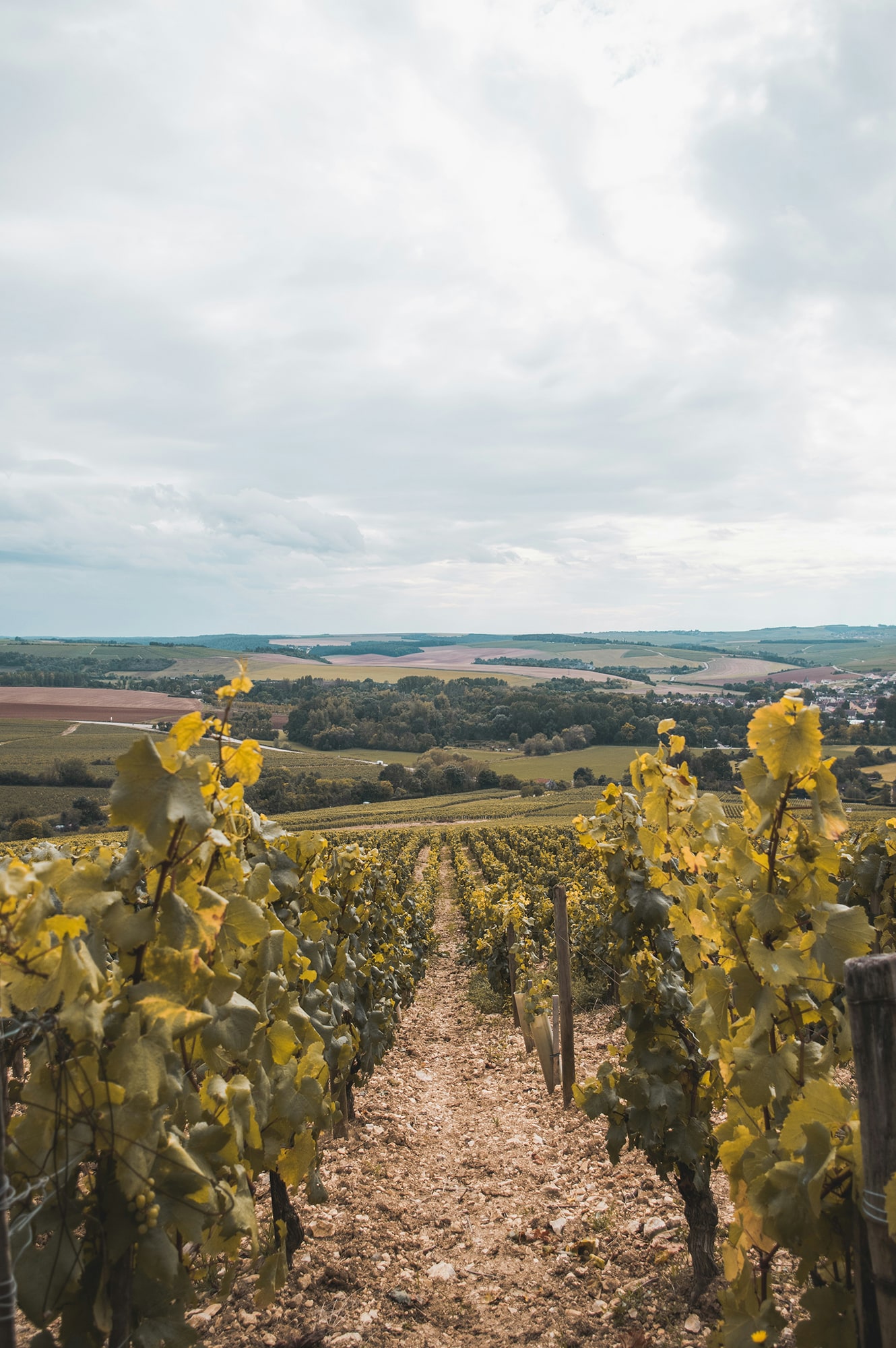
Located in the northernmost part of Burgundy, Chablis is renowned for its fresh, mineral white wines, made from Chardonnay grapes. Kimmeridgian limestone soils contribute to the distinctive, stony character of these wines.
CÔTE DE NUITS
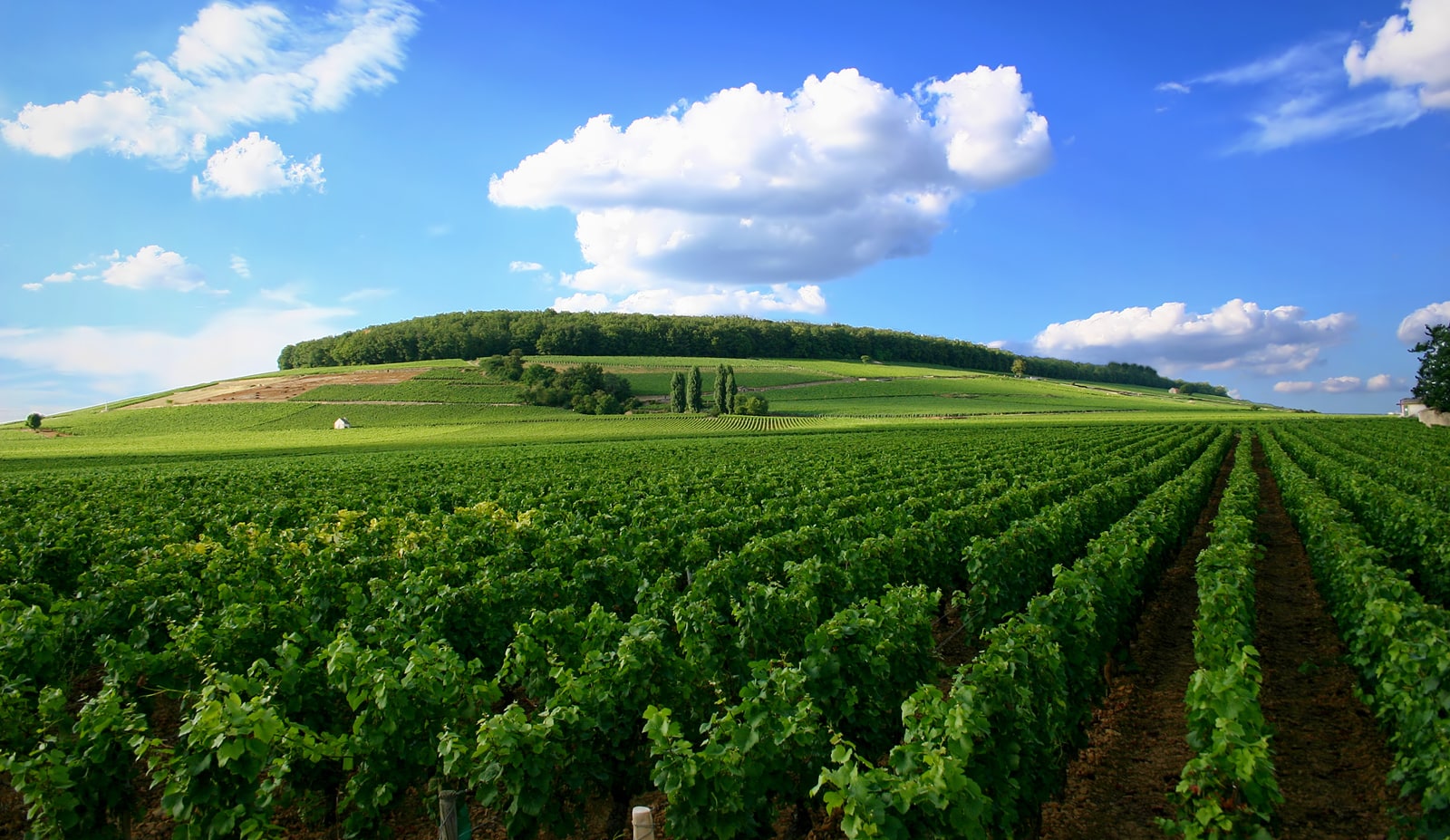
This sub-region is celebrated for its exceptional red wines. The vineyards are located on east-facing slopes, benefiting from optimal sun exposure and well-drained limestone soils.
Key appellations: Gevrey-Chambertin, Vosne-Romanée and Nuits-Saint-Georges.
Wine style: Rich, complex and able to age gracefully, these wines are among the most sought-after in the world.
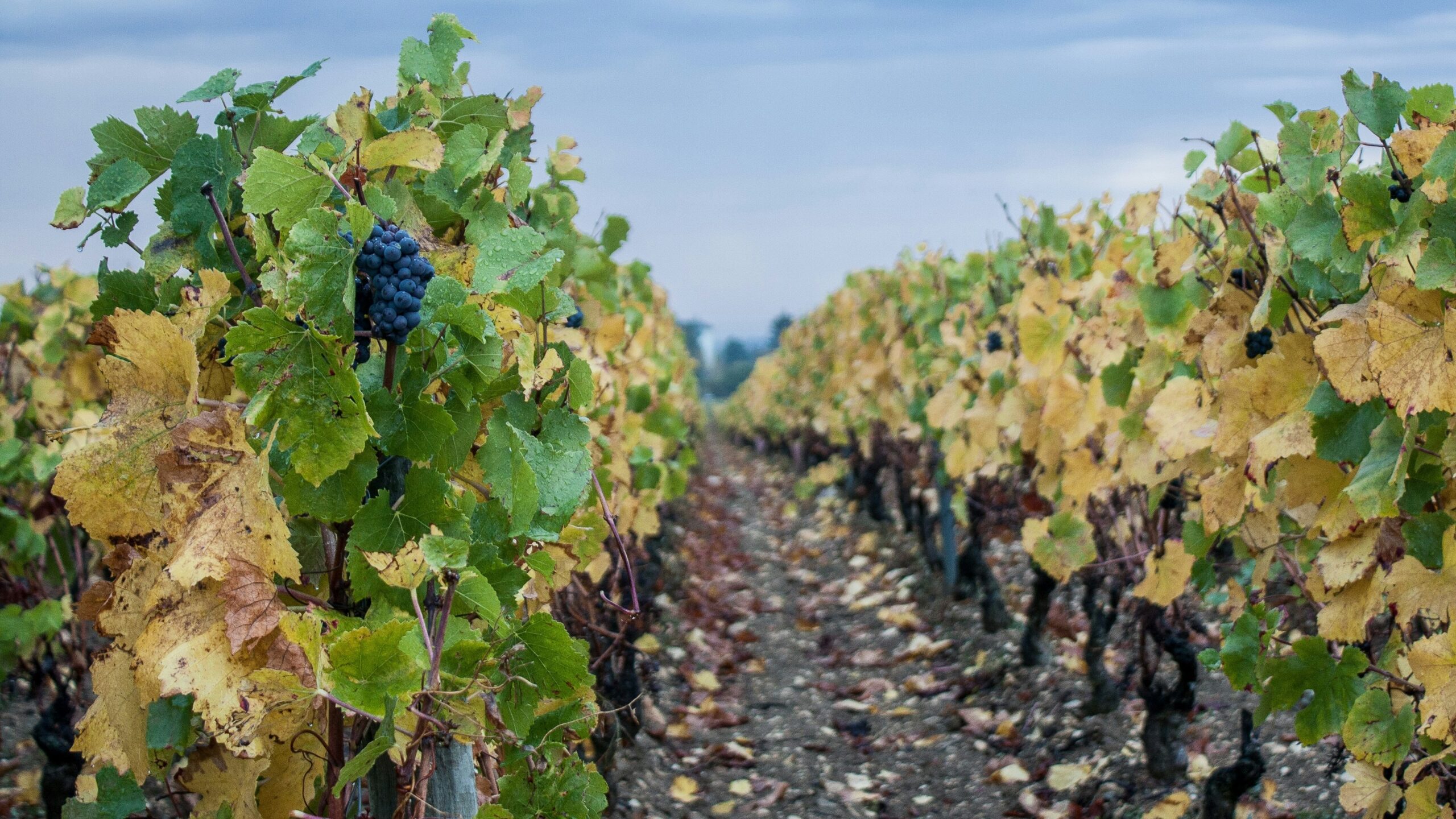
CÔTE DE BEAUNE
Home to some of the finest vineyards of creamy Chardonnay. The soils here blend limestone and marl, ideal for producing nuanced wines.
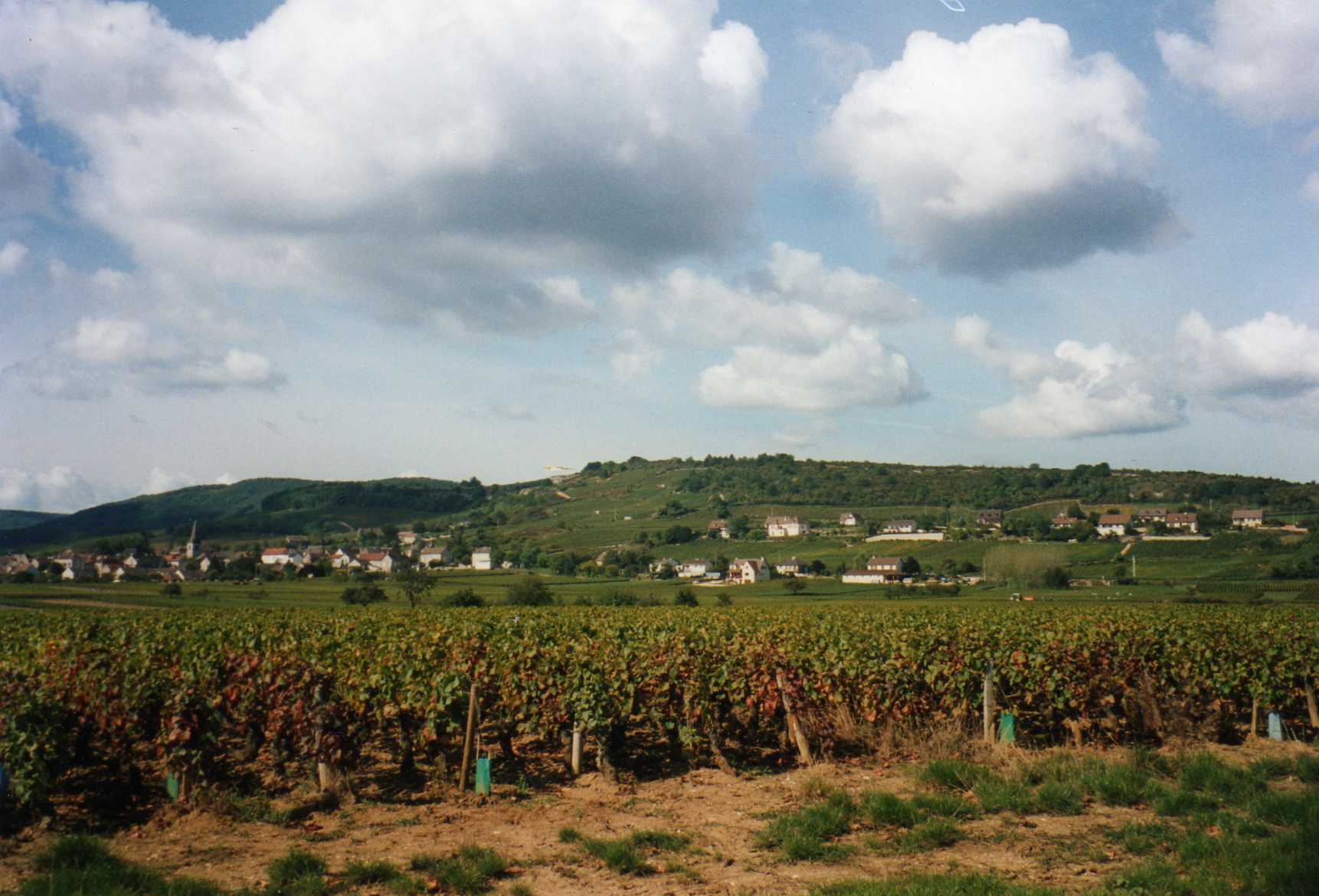
CÔTE CHALONNAISE
This region offers excellent value wines and is less well known than its northern counterparts. It produces red and white wines with distinct character.
Key appellations: Mercurey, Givry and Rully.
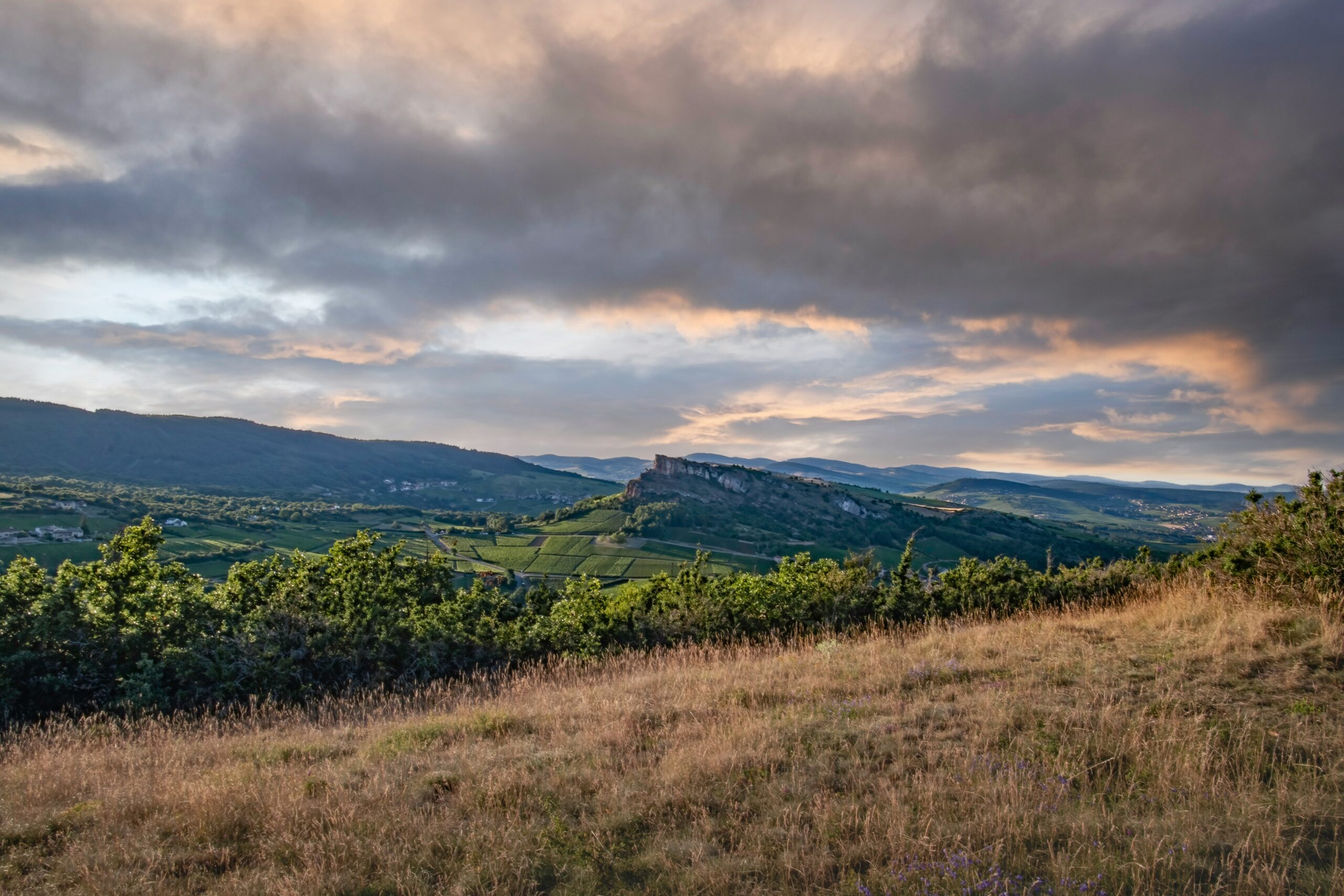
MÂCONNAIS
The southernmost part of Burgundy, Mâconnais is famous for its affordable, delicious white wines, made from Chardonnay grapes. The region benefits from a slightly warmer climate, which contributes to riper fruit flavors.
Key appellations: Pouilly-Fuissé, Saint-Véran and Mâcon-Villages.
Did you like what you read?
Discover more of Joanie Métivier’s articles directly from the source.